THE STORY OF WHATSAPP
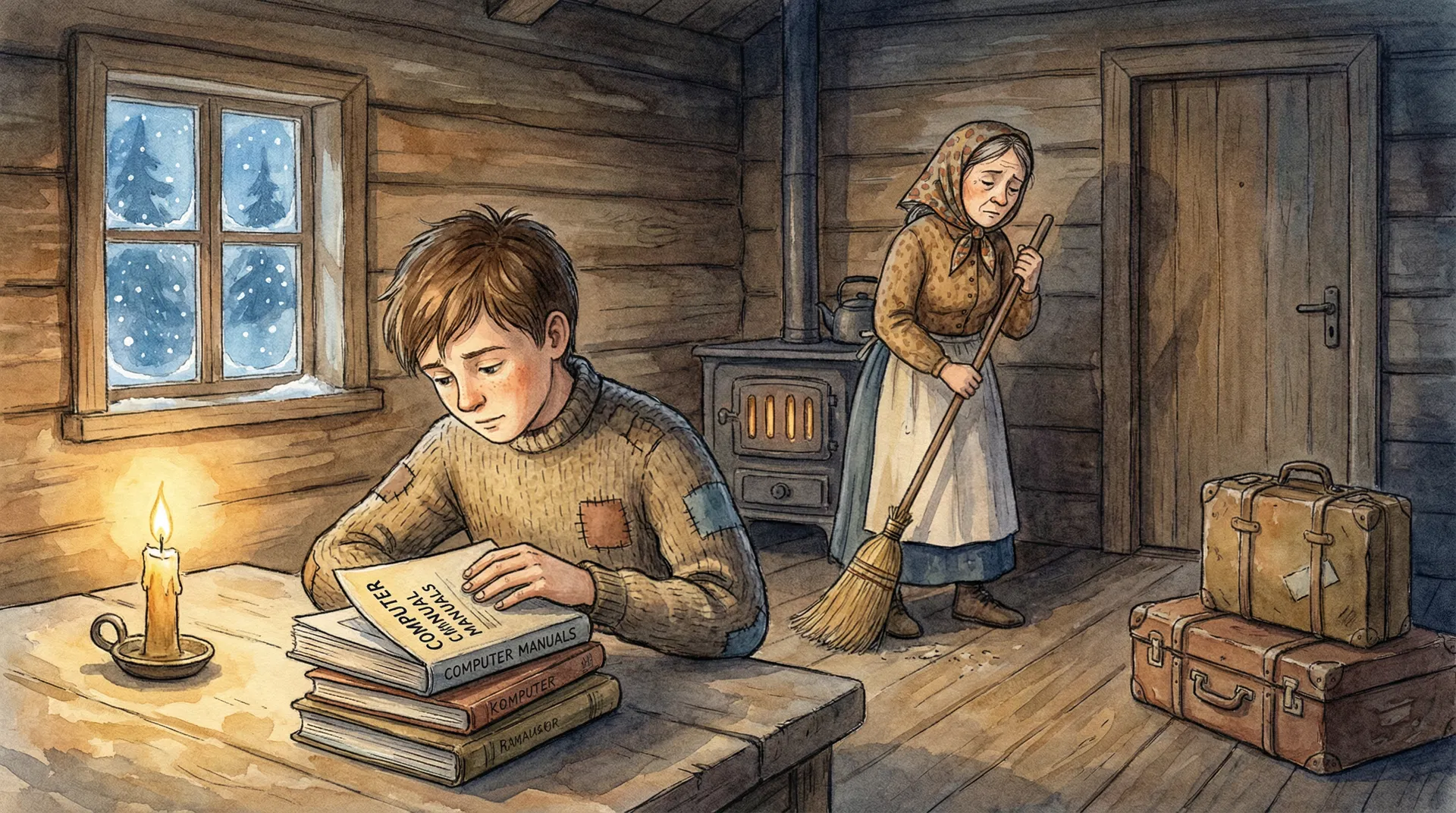
In a country called Ukraine, there was a young boy named Jan. He was an incredibly clever boy. Jan lived with his mother, and they were very poor. His mother used to do cleaning jobs here and there to make ends meet. His father lived in a far-off city as a construction worker and sent money home sometimes. They were a very poor family. Ukraine is a very cold country, and in the winters they did not even have heating. So they used to feel cold, with no running hot water. It was quite a struggle.
When Jan turned 16, his mother realised that Jan was a very smart boy and that maybe he was not getting the opportunity he deserved. So she and Jan boarded a plane and went to America with just two suitcases and no money. She said, “We will figure it out there.” In those days it was not as difficult to go to America as it is today.
They landed in California and found a small place to live in a town called Menlo Park. His mother took cleaning jobs here and there. Jan himself took part-time jobs cleaning grocery stores, and he studied at school. He was very smart, so he was always at the top of his class.
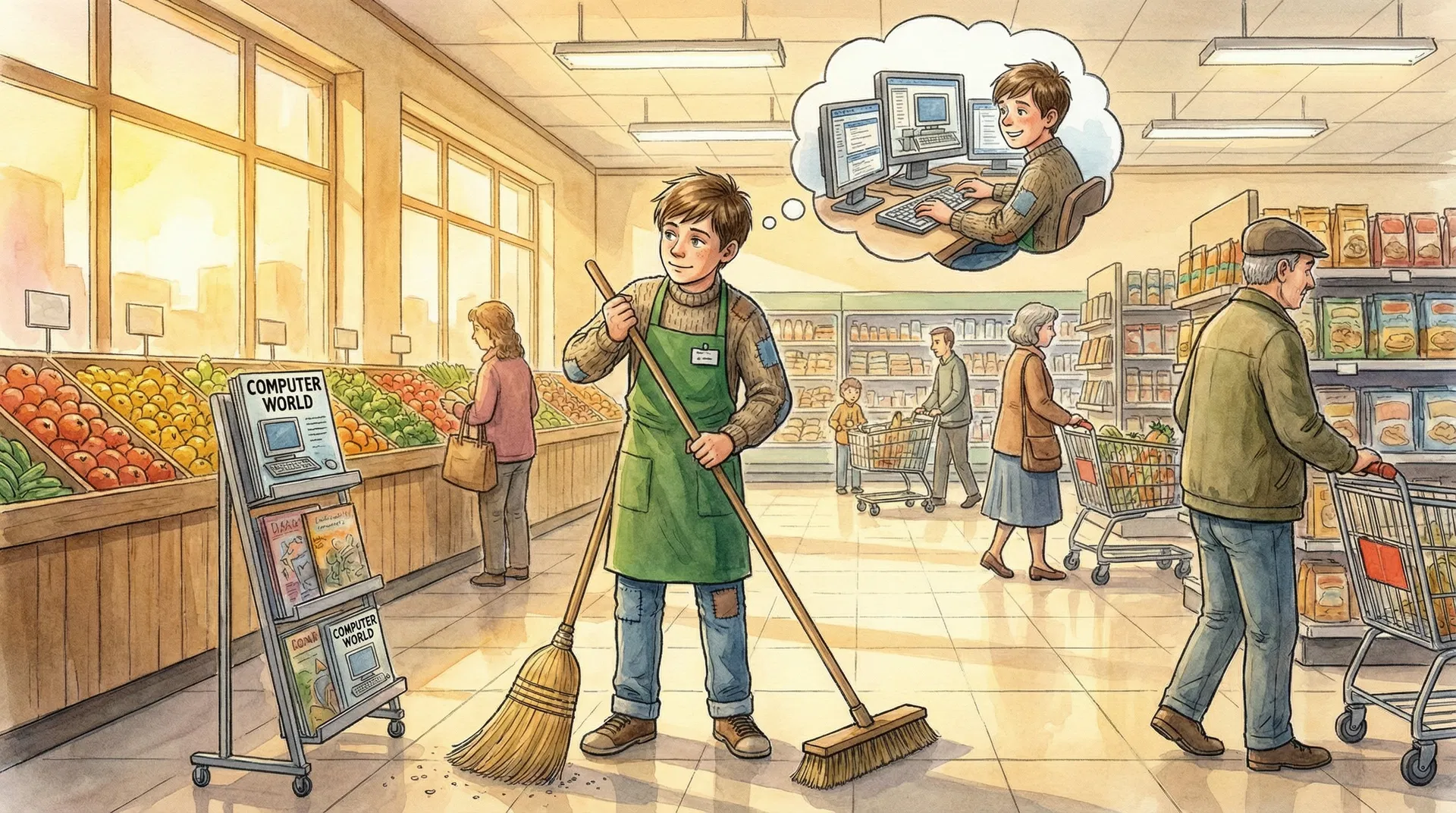
With whatever money he could save, Jan bought a second-hand computer and taught himself coding and programming. He used to buy second-hand books from charity shops and try to learn programming from them. And so he became a really, really good programmer. So much so that, in spite of being so poor, he got into Stanford, which is the best university in the world.
In those days, the American government used to give something called food stamps. These were small paper vouchers that allowed you to get free groceries from grocery stores. They gave them to people who were really poor. Jan and his mother used to survive on these food stamps most of the time. They had to go to a government office where the food stamps were distributed, and from that office they would collect them.
Anyway, Jan studied hard, got into Stanford, and graduated. He then got a job at a company called Yahoo, which at that time was the biggest internet company in the world. It barely exists today, but back then it was everything. He worked hard there for about nine years.
Then in 2007, he had made enough money and his standard of living had improved. He quit Yahoo and said, “I want to try something different.” So he and his friend Brian started working on many, many ideas. But nothing was really clicking.
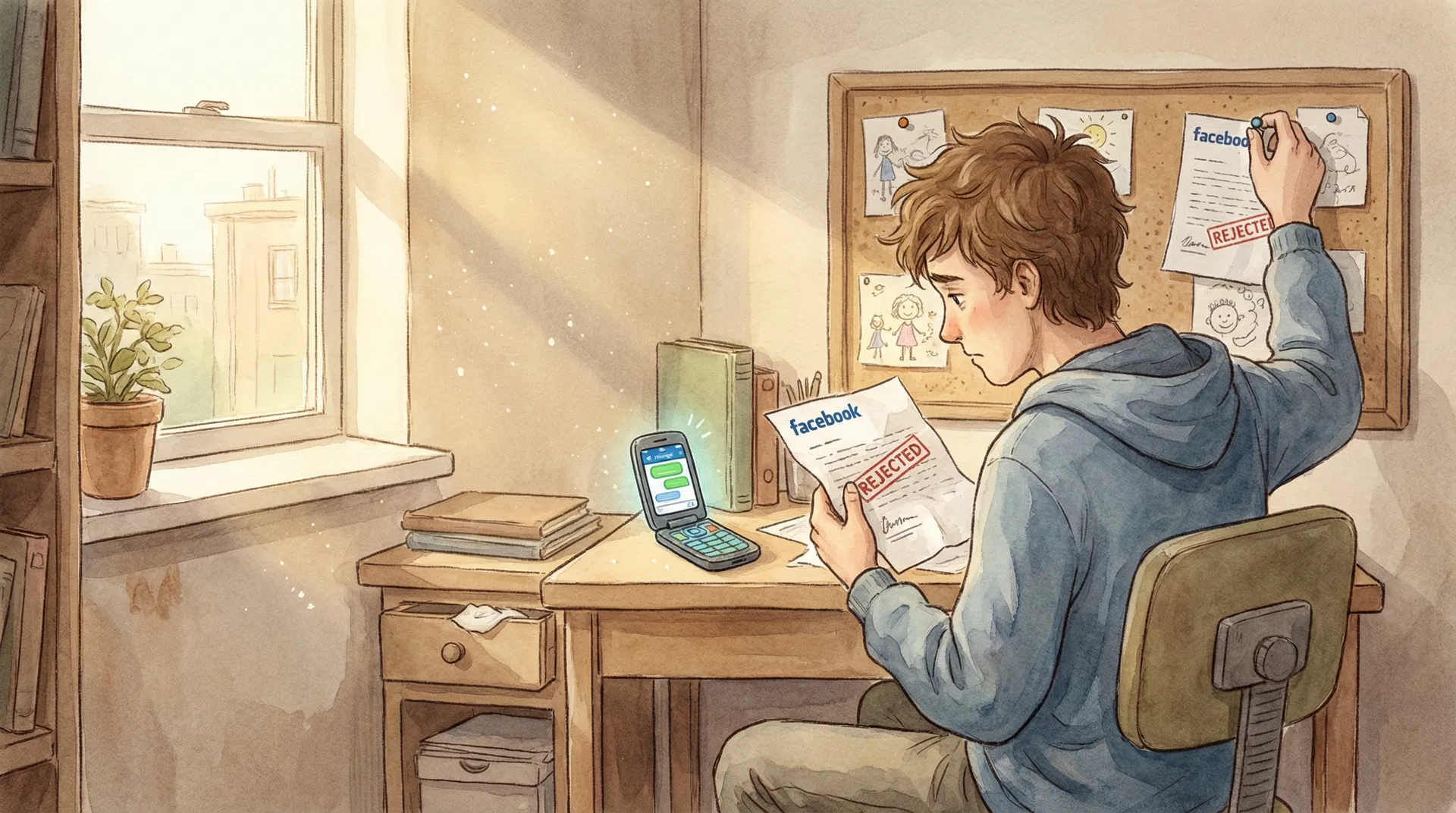
After a while, Jan said, “Okay, nothing is happening. Maybe I should try and find a job again.” So Jan went for an interview at Facebook. He interviewed, and they rejected him. They said, “No, you are not a fit.” He tried again. And again. He got rejected by Facebook three times.
He was very disappointed. But Jan was not the kind of person to give up. He kept his rejection letters in his cupboard and said to himself, “I will show you one day.” That rejection letter would become a very important part of this story later.
Now, around 2007 and 2008, the first iPhone had just come out. Jan and Brian said, “Let us build an app.” They thought about it and said, “What if we make an app where you can put your status? You can say I am in the gym, or I am driving. Your friends can have the same app, and if they are connected to you, they can see your status.”
It was actually quite a silly idea. But they built it, told their friends, and some people downloaded it. It was buggy and not very useful, because you had to open the app and check someone’s status manually. Some people found it helpful if they wanted to know what someone was doing before calling them. But the problem was you had to update your status yourself.
Then in 2009, something changed everything. Apple launched a feature called notifications. Now, if you changed your status on your app, a message could go out to everybody automatically. Suddenly people started using the app in a completely different way. Not only could they change their status, they could actually send a short message, like “How are you?” or “I am driving.” It was like a short message service. And although phones already had SMS, it was expensive and clunky in those days. WhatsApp was free.
The name of the app was WhatsApp, which essentially means “What is up?” It was just meant to tell people what was going on in your life, what your status was. But now people started using it to message each other.
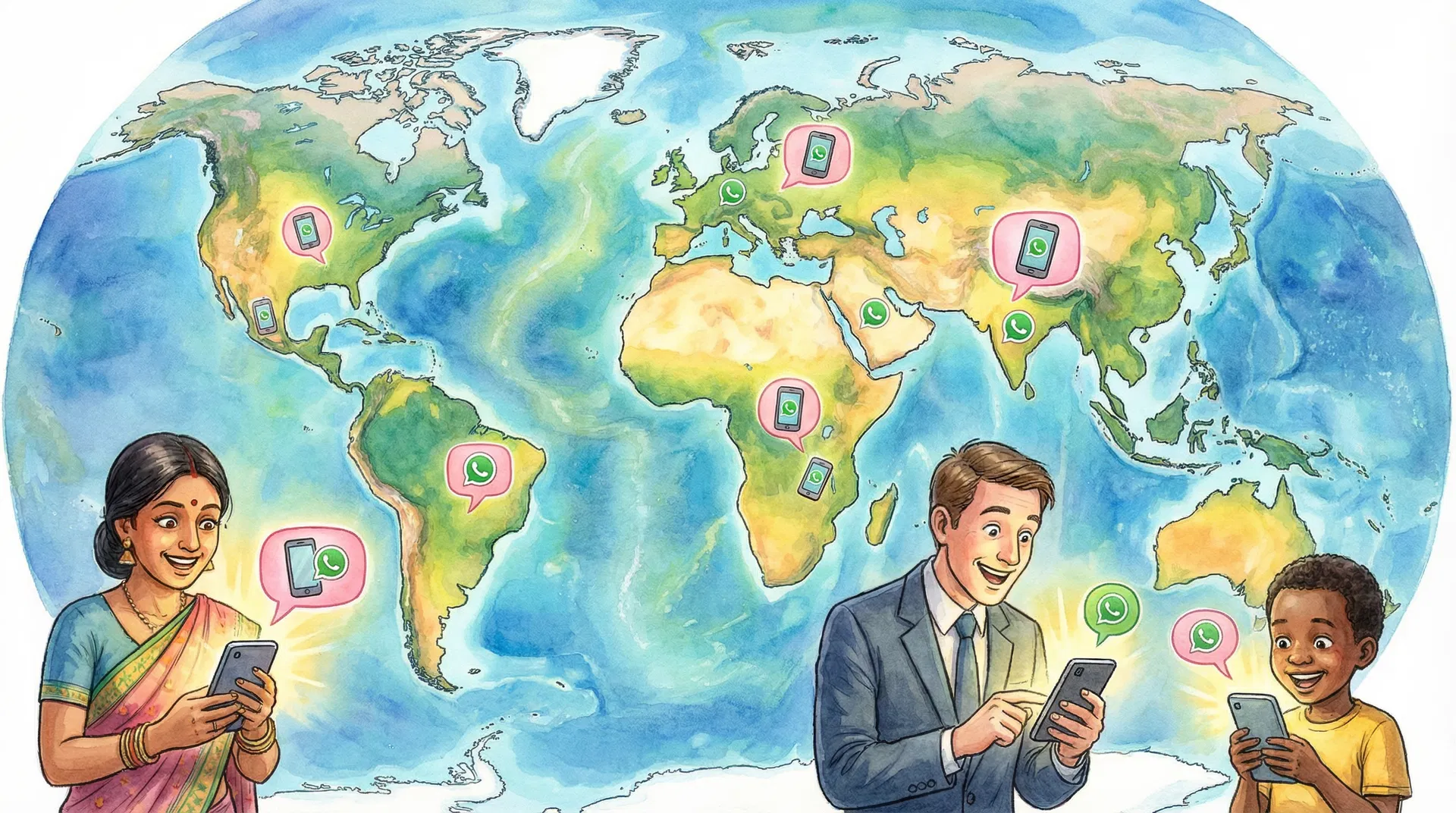
And it exploded. Within a month, 100,000 people were using it. Within half a year, a million people were using it. It went viral across the world, especially in places like India, Nigeria, and Africa, where sending text messages was expensive. Now people could send messages for free. Within a few years, 200 million people were using this app. It became one of the most popular applications in the world.
Jan was a very honest person. Because he had come from nothing, he always wanted the app to be free and without any advertisements. So he kept it free, but he said that anybody who downloads the app has to pay just one dollar. With 200 million users, he was making decent money.
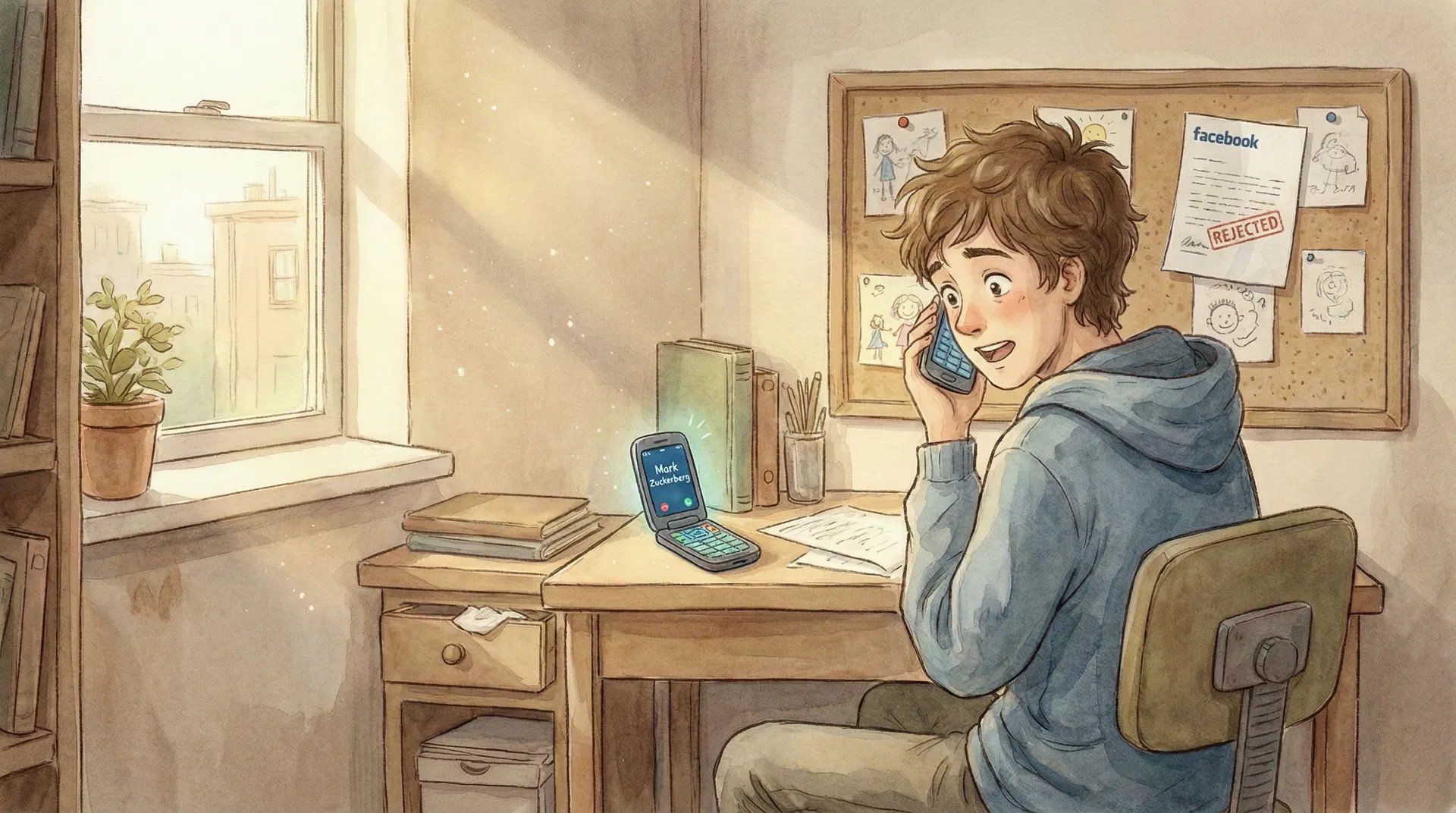
Then in 2013, because WhatsApp was becoming so big, Facebook called. Mark Zuckerberg, the CEO of Facebook, said, “You are becoming very popular. I want to buy your app.” And he said, “I am going to pay you 19 billion dollars.” Nobody had ever heard of that kind of number to buy an app. And Facebook paid 19 billion dollars to buy WhatsApp.
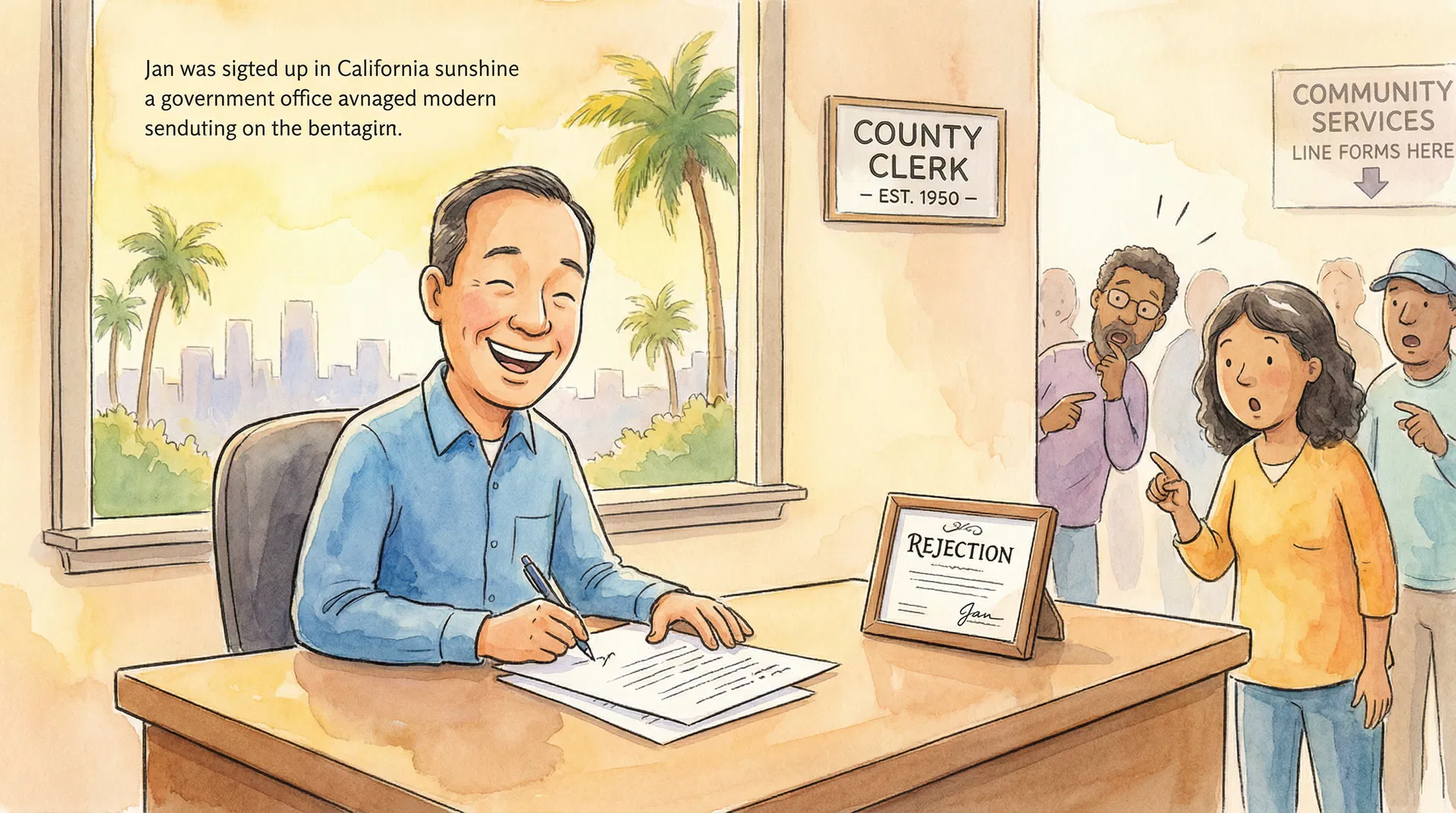
Jan agreed. But he said, “I will not sign the deal in the Facebook office.” He said, “I am going to sign this deal in the social security office where I used to collect my food stamps.” And so, in a true story, Jan and Mark Zuckerberg went to that very government office and signed the papers there, as a reminder that Jan had come from poverty and nothing, and had built a company that sold for 19 billion dollars. Jan himself made 6 billion dollars from that deal. He became one of the richest people in America.
He then joined Facebook as an employee, because the deal required it. He had his own office. And in that office, do you know what he put on the wall? He framed the rejection letters from Facebook, the very letters that had rejected him three times. Those framed letters stayed on his wall the entire time he worked at Facebook, as a reminder that just because somebody says no to you does not mean you have to accept that rejection. You can keep fighting. And one day, they may come back to you.
And that is the story of Jan and WhatsApp. Today, WhatsApp is the most popular messaging application in the world. Billions of people use it. Most of us use it five times every hour. It has become something we all depend on, whether for talking to friends and family, sending group messages, or doing office work. All of it started with a poor boy from Ukraine, two suitcases, a second-hand computer, and a dream.
The lesson of this story is simple: just because someone says no to you does not mean it is the end. Jan was rejected three times by the very company he later sold his app to for 19 billion dollars. Keep going. Keep building. Your rejection letter might one day become a picture frame.